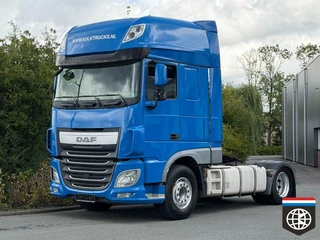
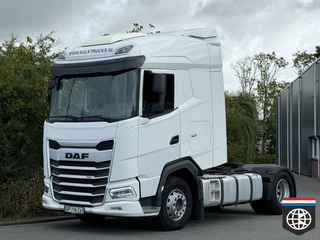
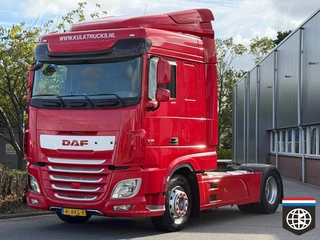
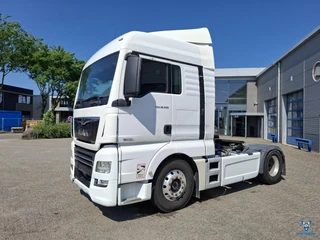
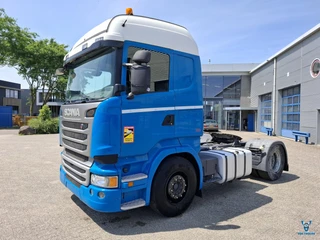
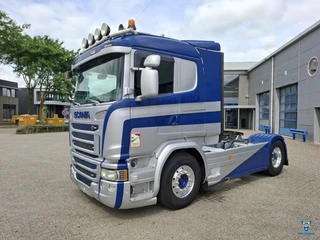
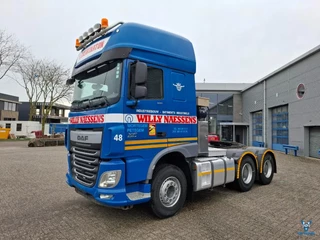
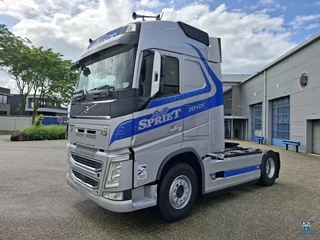
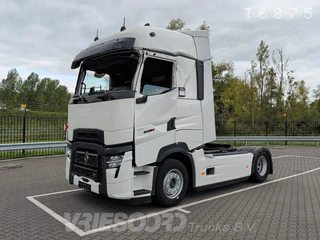
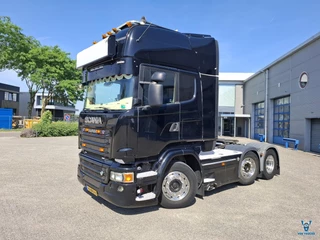
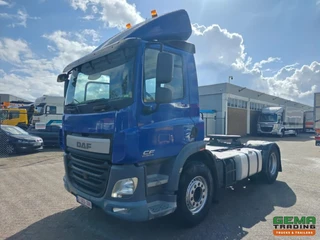
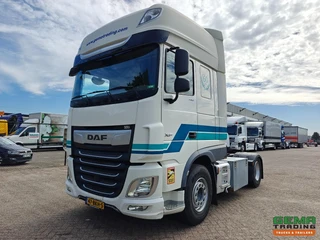
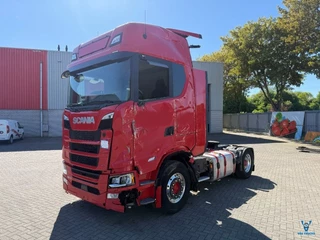
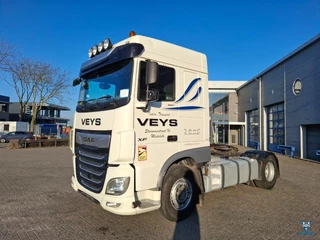
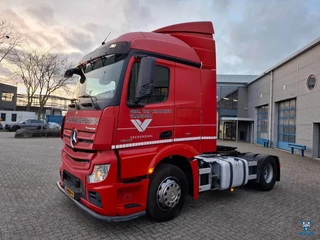
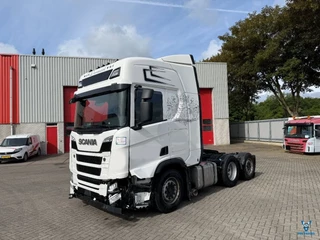
Buying a tractor unit: what should you pay attention to?
A tractor unit and its trailer form a single combination. Therefore, the right choice does not start with the brand or engine power, but with the gross combination weight, the trailer type, the routes, and how the combination will be deployed on a daily basis.
When comparing tractor units, pay particular attention to axle configuration, wheelbase, fifth-wheel height, powertrain, cab, and maintenance history. A specification that works well for light distribution runs may not be suitable for heavy, hilly, or international transport.
4x2 or 6x2 tractor unit
A 4x2 tractor unit features two axles with one driven axle. The lower unladen weight, smaller number of tyres, and simple configuration make this version suitable for many regular national and international road transport operations.
A 6x2 tractor unit distributes weight across three axes and may be better suited for higher fifth-wheel loads or specific axle load distributions. Check whether the additional axle is a tag or pusher axle, and whether it is steered or liftable. This affects the turning circle, tire wear, and maneuverability. For construction transport, heavy-duty work, or unpaved terrain, a multi-axle drive configuration may be required.
Tractor unit and trailer must match
Check the fifth-wheel height, kingpin position, and available clearance between the cab and the trailer. The combination must be able to articulate sufficiently without the trailer, chassis finishing, fuel tanks, or cab touching each other. The wheelbase and fifth-wheel position also affect axle loads and handling.
Volume trailers often require a lower fifth-wheel height. For tippers, tanker trailers, car transporters, and heavy-haulage trailers, different requirements may apply regarding hydraulics, PTO, couplings, chassis space, and permitted weights. Therefore, always check the complete combination rather than the tractor unit in isolation.
Engine, transmission, and rear-axle ratio
Required power depends on the typical gross combination weight, the route profile, and the desired cruising speed. For heavy or hilly work, available torque and a suitable rear-axle ratio are at least as important as maximum engine power.
A powertrain optimized for fuel efficiency on long highway runs may be less suitable for heavy urban work or steep gradients. Therefore, compare the engine, transmission, and gear ratio as an integrated unit. Also verify whether a retarder, engine brake, PTO, and hydraulics are present when the application requires them.
Day cab or sleeper cab
For regional day runs, a compact cab may be sufficient, keeping the overall combination shorter and lighter. For international or multi-day transport, standing height, bunk quality, storage space, auxiliary heating, climate control, and tank placement are more important.
Also pay attention to all-around visibility, step-in height, and available space when two drivers share the vehicle. Cab specification and equipment levels impact operational readiness, driver comfort, and residual value.
Inspecting a used tractor unit
Compare mileage and operating hours with the maintenance history and expected usage. Check tires, brakes, air bellows, fifth wheel, clutch or transmission, emissions system, and any auxiliary hydraulics. Uneven tire wear can indicate alignment, axle, or suspension issues.
Inspect the chassis for damage and repairs, and check for air and fluid leaks. A test drive under load provides much more insight into shifting behavior, braking, cooling, and error codes than a static inspection with an unladen tractor.
Comparing new and used tractor units
On TruckTrader, you can compare tractor units by brand, model, year of manufacture, mileage, axle configuration, power output, emission class, and cab type, among other criteria. Additionally, ask the seller about maintenance, completed repairs, and the vehicle's previous operating profile.
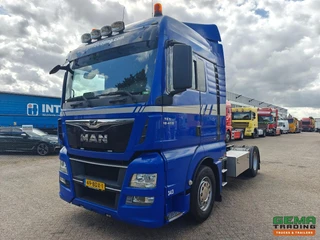
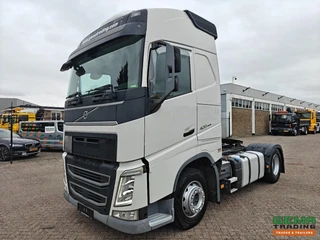
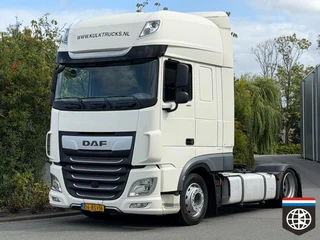
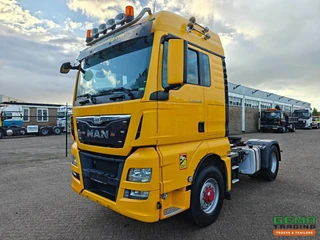
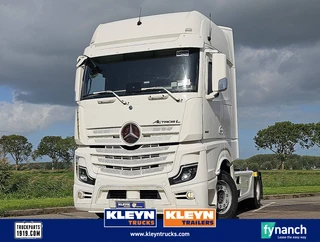
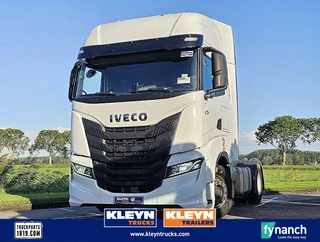
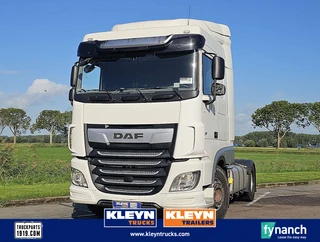
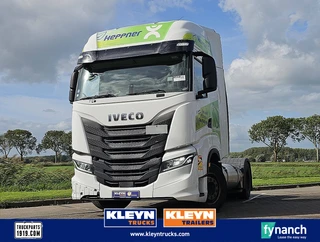
For example, view DAF tractor units, Volvo tractor units, Scania tractor units, Mercedes-Benz tractor units, MAN tractor units and Iveco tractor units and compare which specification best matches your trailer and transport operations.
Looking for a different vehicle type or a suitable trailer?
Also view Trucks, Trailers, Car transporters, Tippers and Tanker trucks.