



Buying truck parts: what should you pay attention to?
A truck part must be an exact technical match for the vehicle, specification and production period. The same model name may have been delivered with different engines, axles, transmissions, braking systems and electronic modules.
Therefore, it is preferable to compare the OEM or manufacturer part number and verify this using the chassis number (VIN) and technical specification. Condition, origin, included components and return policies then determine whether an offer is truly usable.
Part number and vehicle identification
Use the original part number as a starting point and check replacement or succeeding numbers in reliable documentation. Brand, model and build year alone are often insufficient to determine compatibility.
When in doubt, request photos of the identification plate, plug connectors, connections, mounting points and dimensions. Verification by chassis number is especially crucial for engines, transmissions, axles, steering parts, brake components and electronic control units.
New, used or remanufactured
A new part offers a predictable condition, but may be more expensive or have a longer delivery time. A used part can be available quickly and cost-effectively provided wear, origin and operation are sufficiently documented.
With a remanufactured part, wear parts have been replaced and functions restored according to a specific process. Ask which work has been performed, which parts have been renewed and what test data and warranty are included. Compare the total costs including installation and downtime.
Complete delivery and electronics
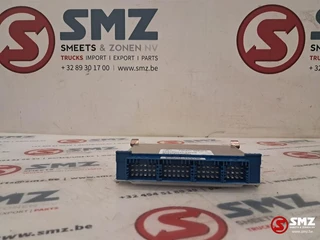
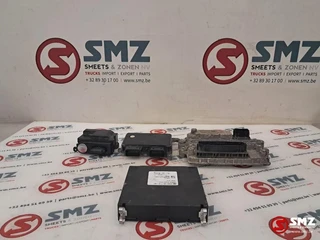
Check which ancillary parts, sensors, wiring harnesses, modules, brackets and lines are included in the price. A bare engine, complete engine and engine with emission aftertreatment are different deliveries, even when the same engine code is stated.
Electronic modules may require software, coding or pairing with other vehicle systems. Ask whether keys, immobiliser parts, control units and documentation are supplied together when they are mutually linked.
Core parts, core deposit and returns
With an exchange part, you return the old part for remanufacturing. Check in advance which damages are accepted, within what timeframe the old part must be returned and how much core deposit is charged.
Also agree on what happens if the part does not fit or turns out to be defective during installation. Return policies for business and international transactions may differ. Make agreements regarding diagnosis, installation, transport and any consequential costs before the part is installed.
Checking condition and shipment
For engines and transmissions, ask about origin, mileage or operating hours, oil, fault codes and available pressure or function tests. Inspect housing, shafts, connections and mounting points for damage, corrosion and previous repairs.
Heavy or fragile parts require sturdy packaging and suitable pallet or specialised transport. Agree who is responsible for packaging, insurance, unloading and transport damage, and document the condition before shipment.
Comparing new and used truck parts
On TruckTrader you compare parts by brand, description, condition and supplier. Always request the part number, origin, technical condition, included components and warranty and return terms.
For example, view Mercedes-Benz part, DAF part, MAN part, Scania part and Volvo part and check every part using the part number and vehicle identification.
Are you looking for a complete vehicle or parts for other equipment?
Also view Trucks for sale, Vans for sale, Trailers for sale, Forklifts for sale and Agricultural machines for sale.