




Buying a car transporter: what should you pay attention to?
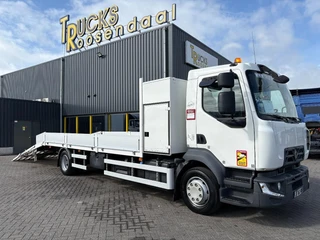
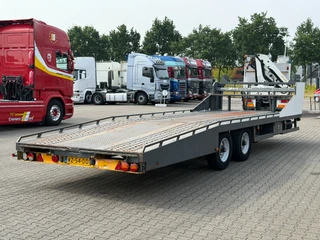
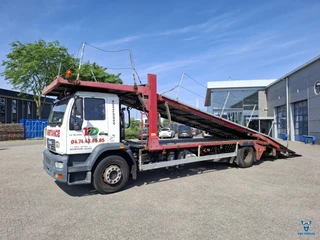
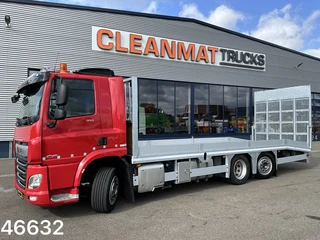
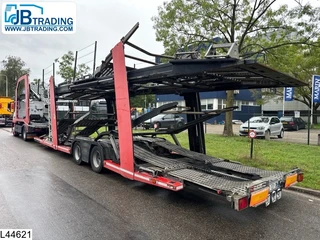
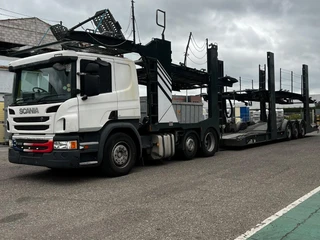
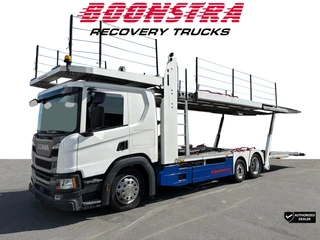
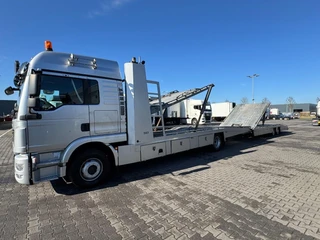
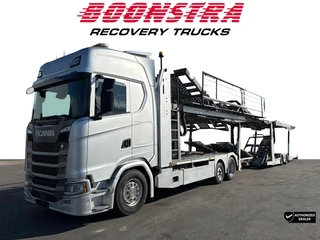
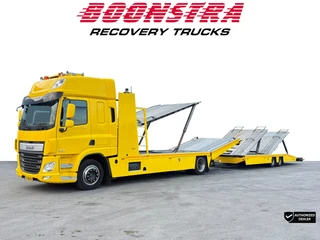
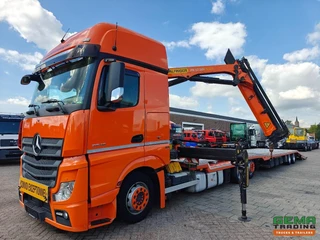
A car transporter must match the vehicles actually being transported. The length, height, weight, ground clearance, and technical condition of those vehicles determine the required loading positions, ramp angle, and loading equipment.
Therefore, do not compare just the stated number of spaces. Net payload capacity, axle loads, overall dimensions, hydraulics, and combination with a potential trailer determine the usable capacity.
Open or enclosed car transporter
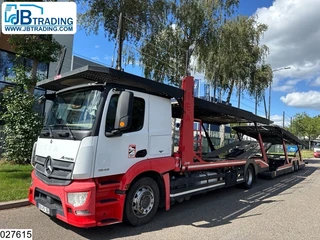
An open car transporter is relatively lightweight and practical for general vehicle transport. The construction provides good visibility during loading and makes checking tie-downs straightforward, but vehicles remain exposed to weather, dirt, and prying eyes.
An enclosed transporter offers better protection for exclusive, classic, or vulnerable vehicles. Pay attention to internal clearance, door and tailgate openings, lighting, and ventilation. The enclosed body adds weight and may limit the net payload capacity.
Actual vehicle capacity
The number of loading spaces is only an indication. Long vans, heavy electric vehicles, tall SUVs, and low-ground-clearance vehicles may require a different layout than compact passenger cars.
Create sample loads using the vehicles you transport most frequently. Check total weight, axle loads, height, and length in every configuration. When used in combination with a trailer, tongue weight, hitch coupling, and gross combination weight rating are also important.
Ramp angle and loading floor
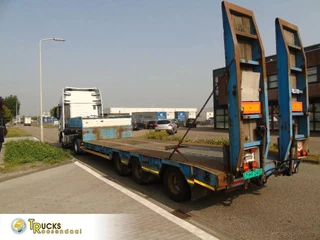
Low-slung cars and vehicles with long front or rear overhangs may bottom out on steep ramp angles. Compare the length and positioning of loading ramps, articulation points, and hydraulic adjustment, and check ground clearance throughout the entire loading movement.
The loading floor must provide sufficient grip and load-bearing capacity. Check wheel chocks, guide tracks, lashing points, and the space required to secure each vehicle individually without damaging the bodywork or tires.
Hydraulics, winch, and controls
Hydraulically adjustable decks increase flexibility, but add cylinders, hoses, pivot points, and safety guards. Test all movements under controlled conditions and check for leaks, play, and smooth operation.
A winch is essential for non-running or damaged vehicles. Check pulling capacity, cable length, cable or strap, guide rollers, remote control, and mounting point. The capacity must match the heaviest vehicles and the ramp angle used.
Inspecting a used car transporter
Inspect the chassis, loading frames, pivot points, and weld seams for cracks, deformation, and repairs. Check the hydraulics, winch, loading ramps, lighting, tires, brakes, and all locking mechanisms.
Ask about maintenance history and previous deployment, and verify that vehicle and bodywork documentation is complete. Permissible masses, dimensions, and load-securing regulations vary by combination and country; verify in advance whether the transporter is suitable for your intended routes.
Comparing new and used car transporters
On TruckTrader, you can compare car transporters by make, model, year of manufacture, loading spaces, and configuration. Ask the seller for exact loading and transport dimensions, weights, and information regarding hydraulics, the winch, and maintenance.
For example, view Lohr car transporter, Mercedes-Benz car transporter, Volvo car transporter, Scania car transporter, DAF car transporter, MAN car transporter and Iveco car transporter and calculate the capacity based on the vehicles you actually transport.
Are you looking for another vehicle for transport or distribution?
Also check out Trucks for sale, Trailers for sale, Vans for sale, Box body trucks for sale and Cars for sale.