New & used
Tanker Trucks for Sale - Trucks and Tank Trailers
Buy and sell tanker trucks from verified dealers. Browse fuel tankers, chemical tankers and food-grade tank trucks. Filter by brand, year and price on TruckTrader.
View all tankerRecently added
Show all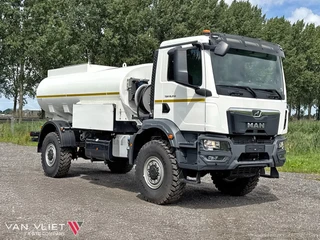
Nieuwerkerk aan den IJssel, Netherlands
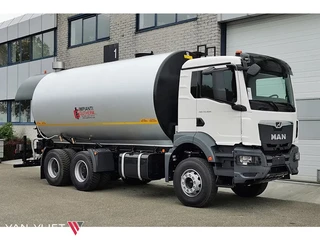
Nieuwerkerk aan den IJssel, Netherlands
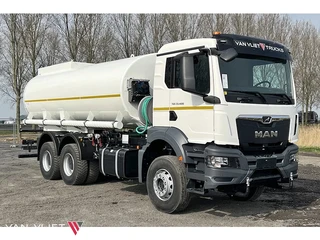
Nieuwerkerk aan den IJssel, Netherlands
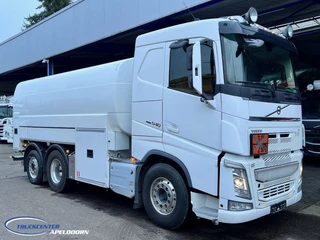
Apeldoorn, Netherlands
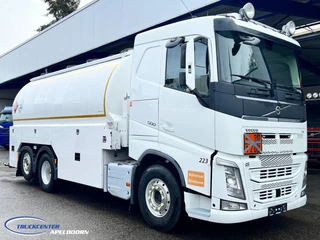
Apeldoorn, Netherlands
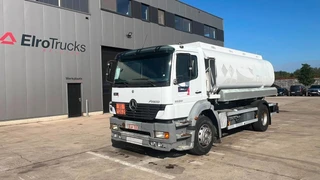
Bree, Belgium
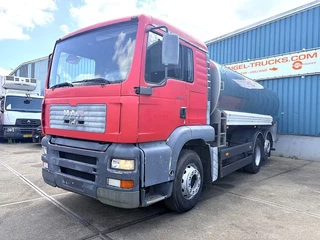
2001
Manual
Diesel
985,000 km
Meerkerk, Netherlands
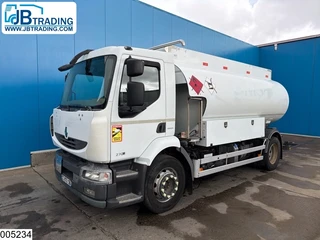
Ede, Netherlands
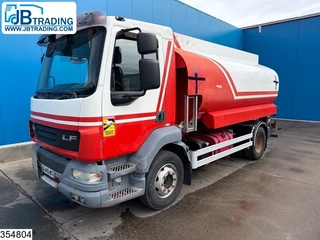
Ede, Netherlands
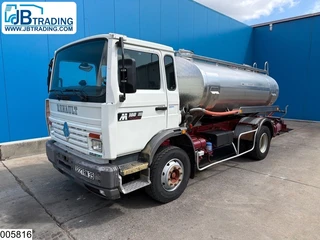
Ede, Netherlands
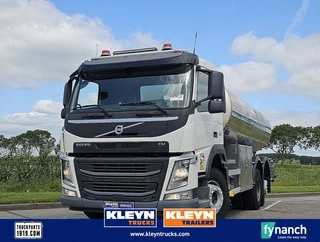
Vuren, Netherlands
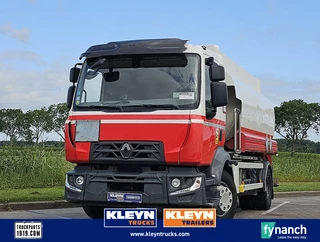
Vuren, Netherlands
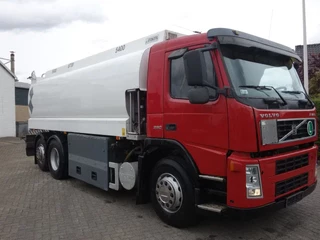
Rotterdam, Netherlands
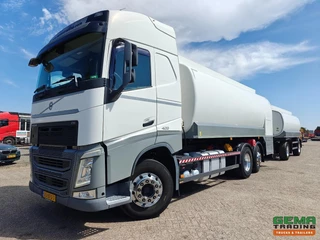
Oud Gastel, Netherlands
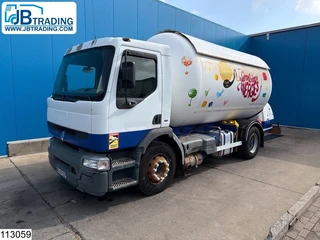
Ede, Netherlands
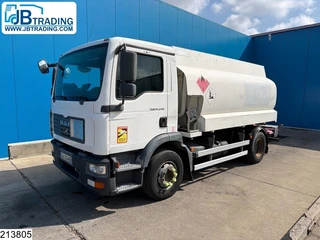
Ede, Netherlands
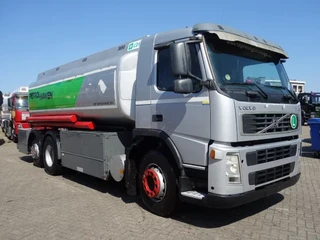
Rotterdam, Netherlands
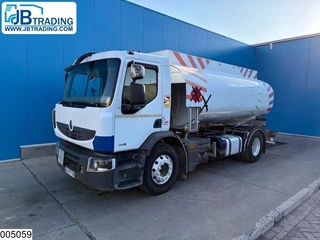
€14,900
2009
Manual
Diesel
424,000 km
Ede, Netherlands
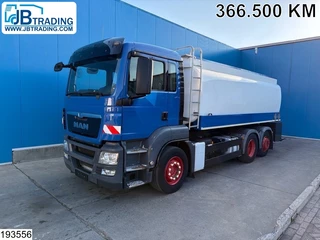
Ede, Netherlands
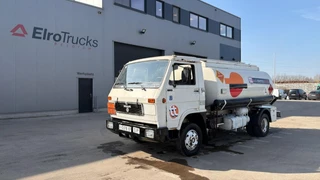
Bree, Belgium
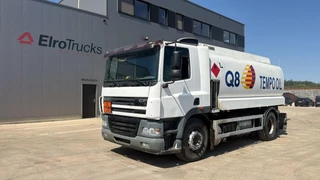
Bree, Belgium
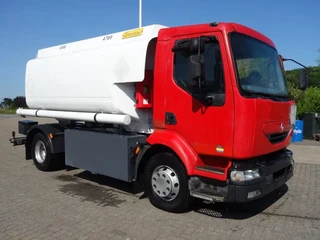
Rotterdam, Netherlands
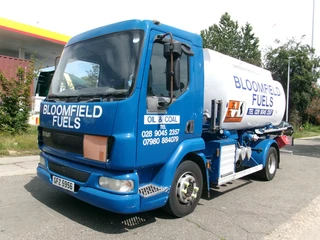
Meer, Netherlands
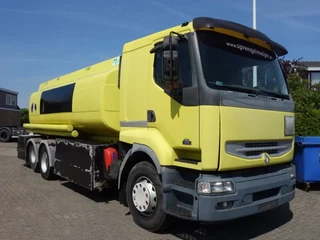
Rotterdam, Netherlands
Buying a tanker truck: what should you pay attention to?
A tanker must be technically and materially suitable for the product you are transporting. Tank capacity, compartments, pump installation, cleanability and documentation are at least as important as the chassis.
Search suggestions
Can every tanker transport every liquid product?
No, tank material, coatings, seals and pipes must be suitable for the product. Different technical and administrative requirements apply to fuels, chemicals, food and waste water.
When are multiple compartments useful?
Compartments make it possible to transport different products or partial batches separately. They also influence weight distribution, cleaning and the way at which you load and unload.
Do I need a pump and measuring system?
That depends on the unloading locations and way of delivery. Check capacity, drive, hoses, couplings, meters and any calibration or inspection documents.
Which documents are important when purchasing?
Ask for tank details, material certificates, maintenance, cleaning history and applicable inspections. The required documents differ per product and country, so check in advance which rules apply to your deployment.
What do I inspect on a used tank structure?
Check tank, manholes, valves, pipes, supports and compartments for corrosion, leaks and repairs. Have a specialized inspection carried out if the previous load or technical condition is not fully known.