



Buying agricultural machinery: what should you pay attention to?
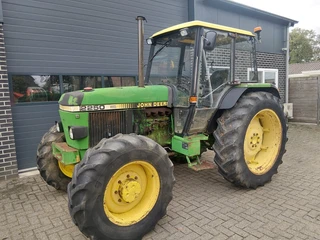
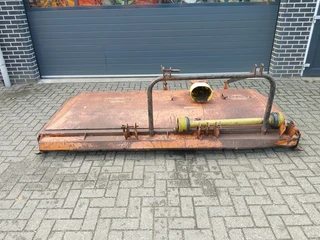
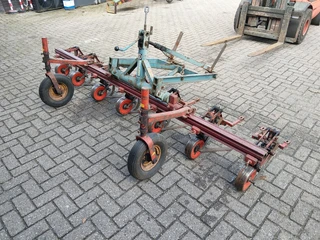
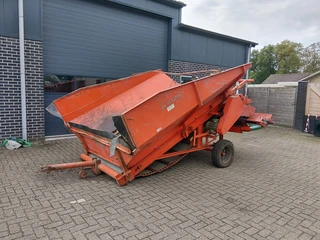
An agricultural machine must match the operation, crop, soil and farm size. Working width and theoretical capacity are only useful if the tractor, hydraulics, transport options and available labour match accordingly.
Therefore, do not just compare year of manufacture, power or operating hours. Connections, wear, ground pressure, electronics and spare parts availability often have a greater impact on the actual workload and maintenance a machine requires.
Capacity and working width
Determine how many hectares or volume must be processed within the available time window. A larger working width increases capacity, but also requires more power, lifting capacity, hydraulics and space on headlands and farm yards.
Check whether plots, access roads and storage suit the machine. Transport width and height may differ from the working position. Folding only speeds up transport if locking, lighting and operation are practical and reliable.
Tractor and implement compatibility
Check PTO speed and rotation direction, hydraulic pressure and flow, number of spool valves, linkage and electrical connections. With modern machines, the terminal, software, sensors and communication standards must also match the existing tractor.
Pay attention to the weight of mounted implements and the required front ballast. For trailed machines, the hitch, tongue weight, brakes and pneumatic or hydraulic connections are important. A technically compatible hitch does not automatically ensure the combination handles well in the field and on the road.
Tyres, tracks and ground pressure
Tyres are versatile and efficient for frequent road transport. Tyre size, load capacity and tyre pressure affect traction, rutting and soil compaction. Check whether rims and tyres are suited for the typical load and speed.
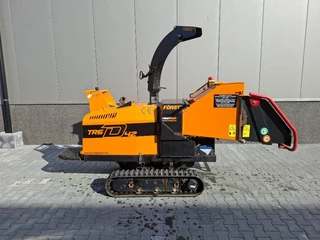
Tracks can increase the contact area and limit wheel slip, but require maintenance on rollers, undercarriage and tension. Compare soil type, seasonal conditions, transport distance and replacement costs before opting for tracks.
Operating hours and actual wear
Operating hours provide insight into usage, but not into load, maintenance or conditions. A machine with low hours may have operated for a long time in dust, moisture or corrosive products; a machine with higher hours may have a verifiable good maintenance record.
Assess wear in areas where the product or soil contacts the machine. Blades, chains, bearings, rollers, augers, rows and conveyor belts often reveal more than paint and general appearance. Compare wear from left to right and watch out for non-original repairs.
Inspecting a used agricultural machine
Test hydraulics, drive train, bearings and electronic functions under load. Check the frame and welds, leaks, safety guards, lighting and safety devices. Ask about maintenance history, fault codes, software versions and replaced wear parts.
Before purchasing, check whether manuals, terminals, keys and specific attachments are complete. Also inquire about parts availability and local support for the make and model, especially for older or less common machines.
Comparing new and used agricultural machinery
On TruckTrader you can compare agricultural machines by brand, model, year of manufacture, operating hours, working width and specification. Ask the seller for technical data, maintenance records and an overview of included controls, implements and accessories.
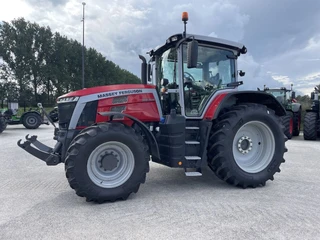
For example, view John Deere agricultural machine, Fendt agricultural machine, New Holland agricultural machine, Claas agricultural machine, Case IH agricultural machine and Massey Ferguson agricultural machine and then verify whether capacity and connections match your business.
Looking for other equipment for agriculture, earthmoving or transport?
Then also view Forklifts for sale, Tippers for sale, Trailers for sale, Parts for sale and Aerial platforms for sale.