



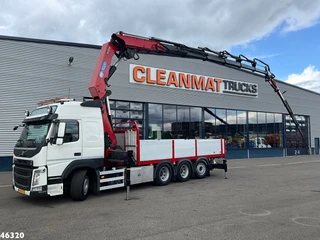

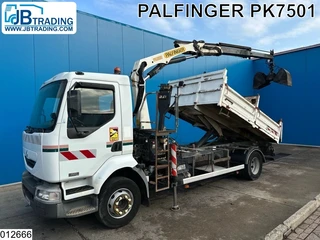
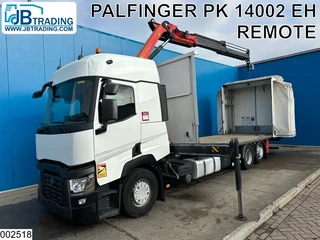
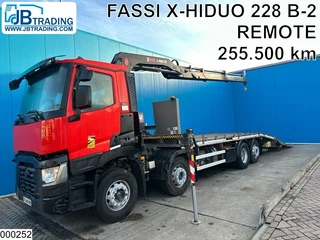
Buying a crane: what should you pay attention to?
When buying a crane, it is not just about maximum lifting capacity. Actual reach, lifting height, boom length, outrigger spread, and ground conditions determine how much load can be moved safely in a specific situation.
Therefore, compare the load chart and desired working configuration before looking at brand or price. Transport dimensions, gross weight, bodywork, and maintenance ultimately determine whether the crane can be deployed practically and profitably.
Mobile crane or loader crane
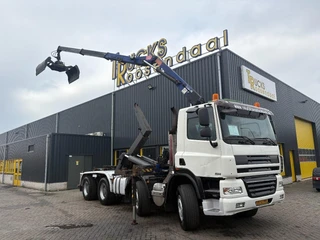
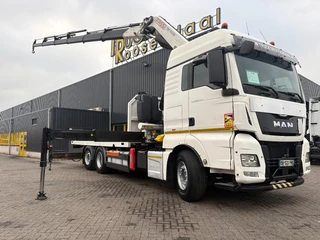
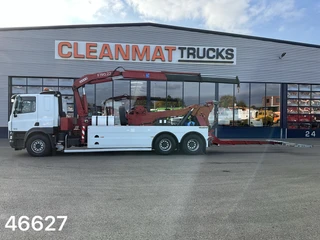
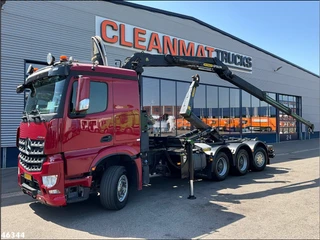
A mobile crane is designed as a complete machine for standalone lifting work and often offers greater reach, lifting height, and capacity. A loader crane combines transport and loading on a single vehicle, making it practical when material needs to be delivered to various locations alongside the vehicle itself.
Both types use different load charts and working configurations. Determine whether the crane will mainly lift close to the vehicle, needs to reach over obstacles, or will be deployed as an independent lifting machine for extended periods.
Load chart, reach, and boom length
Maximum capacity usually applies at a short reach and specific setup. As the load moves further from the pivot point, the permissible load decreases significantly. Therefore, compare the load chart against the horizontal distance and lifting height required in practice.
Check which main boom, jib, winch, and counterweights are present and whether they are included in the documentation. Outrigger spread, slewing range, and the position of the boom relative to the chassis also affect available capacity.
Outriggers and ground bearing capacity
Outriggers transfer high forces onto a relatively small surface area. Check outrigger reach, cylinders, pads, and safety systems, and determine what additional ground pads are needed for typical job site conditions.
A flat surface does not automatically guarantee load-bearing capacity. Cellars, utility trenches, paving, and soft soil can fail under outrigger pressure. The machine must therefore feature clear load and setup information that can be applied during operations.
Transport and on-site operation
Check transport length, width, height, gross weight, and axle loads with the counterweights and equipment that will actually be carried. Ballast, jib sections, and ground pads transported separately require additional transport and secure storage.
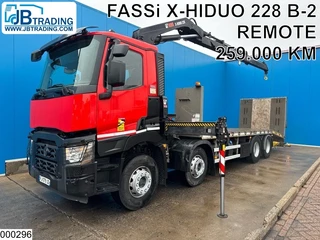
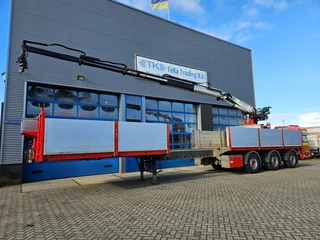
For a truck-mounted crane, the crane position, cargo bed, and accessories affect remaining payload. For a mobile crane, check the drive system, steering, brakes, and tires for both road use and maneuvering on the job site.
Inspecting a used crane
Inspect boom sections, welds, pins, wear pads, cables, winches, cylinders, and the slewing ring for wear, play, leaks, and repairs. Test all movements and safety functions, and check the load recorder and error log if available.
Ask about operating hours, maintenance, breakdowns, service history, and complete crane documentation. Load charts and certificates must match the serial number and the installed configuration. Have specialized lifting equipment independently inspected if in doubt.
Comparing new and used cranes
On TruckTrader, you can compare mobile cranes and truck-mounted cranes by brand, model, year of manufacture, capacity, reach, and configuration. Ask the seller for load charts, hour meter readings, transport specifications, and information on maintenance and inspections.
For example, view Liebherr crane, Grove crane, Demag crane, Sennebogen crane, MAN crane, Mercedes-Benz crane, Volvo crane and Scania crane and evaluate each crane based on the actual reach and setup you need.
Are you looking for another vehicle or machine for construction and lifting work?
Then also check out Trucks for sale, Aerial platforms for sale, Tippers for sale, Mixers for sale and Trailers for sale.