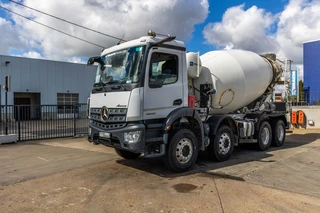
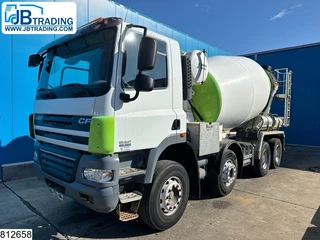
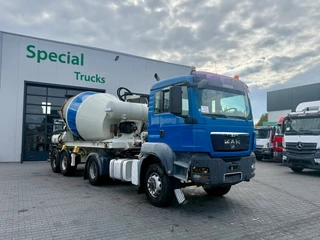
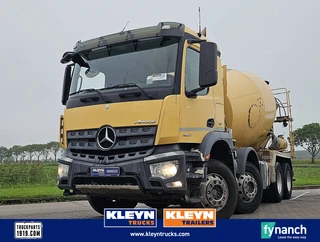
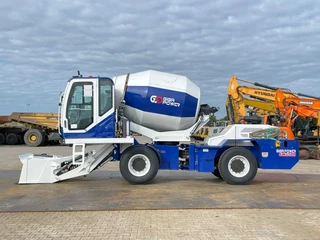
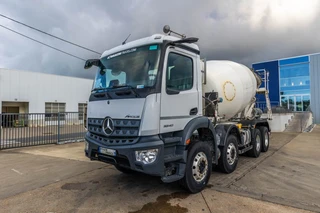
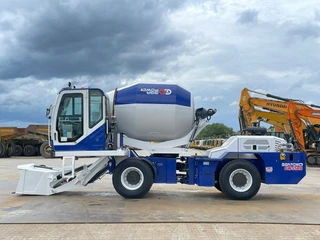
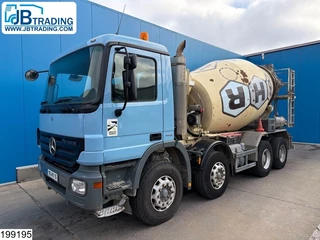
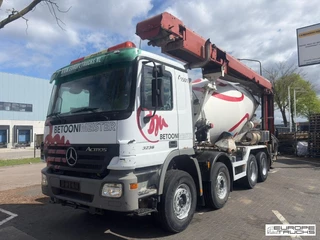

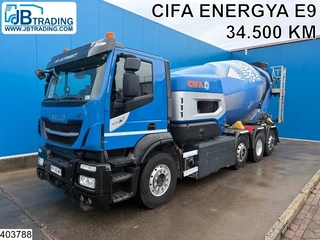
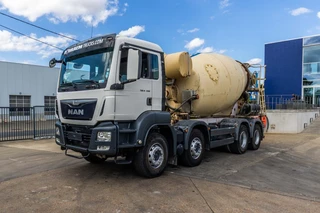
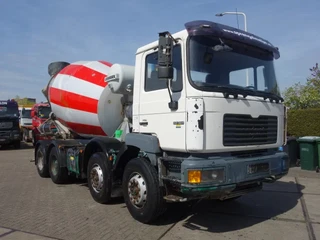
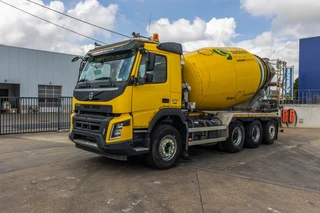
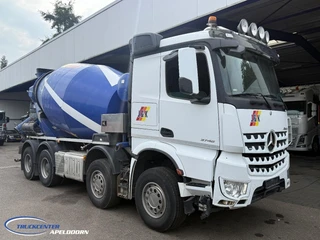
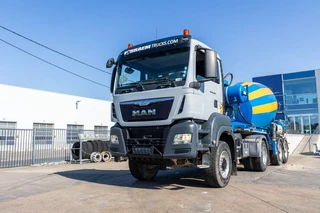
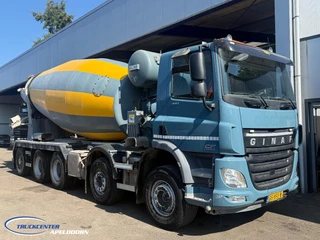
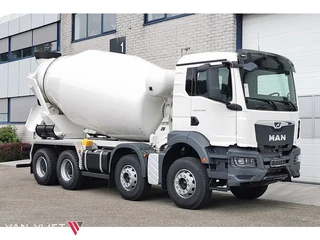
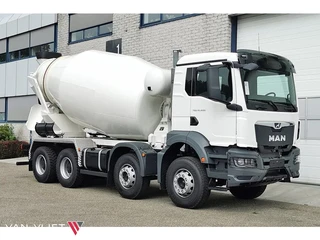
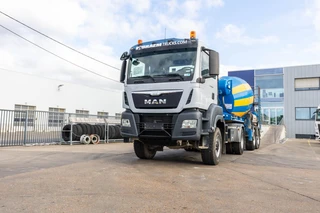
Buying a concrete mixer truck: what should you pay attention to?
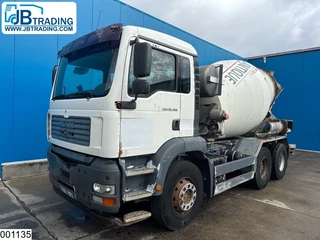
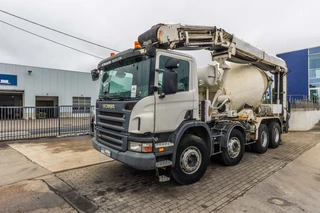
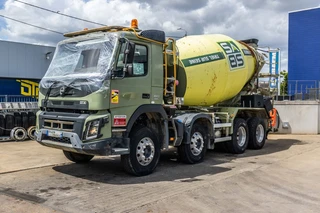
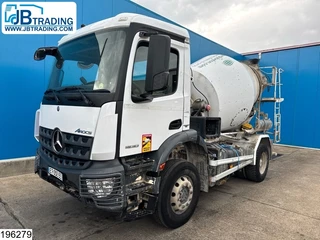
For a concrete mixer truck, the drum, chassis and payload limits must be properly matched. The nominal drum capacity is only usable if the axles and chassis can handle the weight of the actual concrete load.
The technical condition of the drum, mixing spirals, drive system, water supply and discharge chutes determines how quickly the vehicle can be put to work and what maintenance to expect. Therefore, always evaluate the complete mixer unit rather than just the truck.
Drum capacity and payload
Compare the geometric drum capacity with the volume of concrete that may actually be transported. The density and composition of the mix affect the weight; a larger drum does not automatically mean more product can be carried within the permitted total weight and axle loads.
Check the kerb weight including water, chutes and other equipment. Also review the weight distribution across the axles. The position of the drum and drive system determines how the load is distributed over the front and rear axles.
Chassis and axle configuration
A concrete mixer truck for urban construction sites must be sufficiently maneuverable, whereas operations on loose or steep terrain may require more traction. Compare wheelbase, turning radius, ground clearance, drive setup and tires with the locations where the vehicle will be deployed.
Additional axles distribute weight more effectively, but also add tare weight and maintenance requirements. Inspect the chassis and subframe around the mixer mounting points for cracks, distortion and previous repairs.
Wear on drum and mixing spirals
Concrete causes abrasive wear to the shell and mixing spirals during every trip. Therefore, check the drum for thin spots, cracks, dents and weld repairs. Worn spirals mix and discharge less effectively and can necessitate major repairs.
Run the drum in both directions and listen to the bearings, rollers and reduction gearbox. The movement must be smooth without jolts, abnormal noise or lateral wobble. Also inspect the loading hopper, discharge chute and chute mountings.
Hydraulics, water system and controls
Test the hydraulic pump, motor, reduction gearbox, hoses and controls at various drum speeds. Look for leaks, pressure drops, excessive heat and contaminated oil. Ask which components have been replaced previously and what maintenance schedule was followed.
Check the water tank, gauge or dosing system, pump, hoses and cleaning equipment. Chutes and extension chutes must be complete, straight and safe to operate. A remote control can be practical, but all safety and emergency functions must also be operational.
Inspecting a used concrete mixer truck
Compare mileage and operating hours with the maintenance records of both the vehicle and the mixer unit. Inspect the chassis, drum, hydraulics, water system and discharge equipment, and check for buildup of hardened concrete in areas that affect moving parts or payload.
Request maintenance invoices and the availability of replacement parts for the drum, reduction gearbox and hydraulics. If in doubt, have the wall thickness and mixing spirals evaluated by a specialist before putting the mixer into heavy service.
Comparing new and used concrete mixer trucks
On TruckTrader you can compare concrete mixer trucks by brand, model, year of manufacture, axle configuration and specification. Ask the seller for drum specifications, weight data, operating hours and maintenance history for both the chassis and the mixer unit.
For example, view Mercedes-Benz mixer, DAF mixer, MAN mixer, Volvo mixer, Scania mixer, Iveco mixer and Renault mixer and compare the drum, chassis and drive system as a complete combination.
Looking for another construction transport vehicle?
Also view Trucks for sale, Tippers for sale, Cranes for sale, Aerial platforms for sale and Trailers for sale.