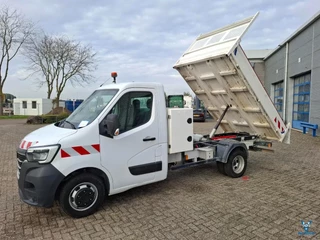
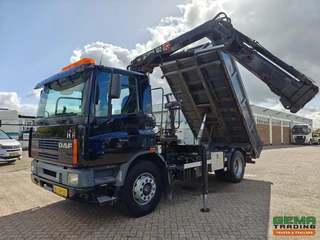
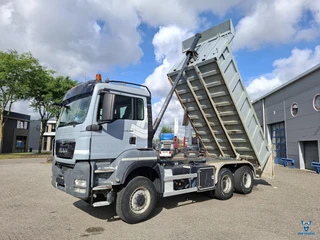
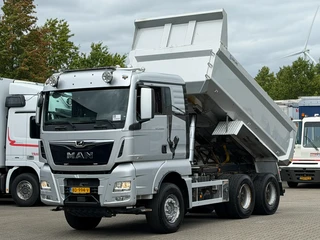
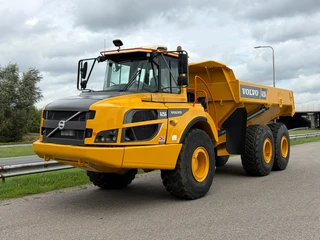
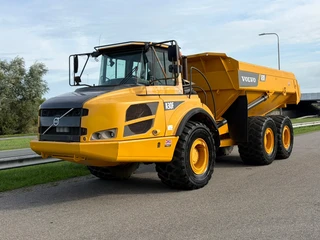
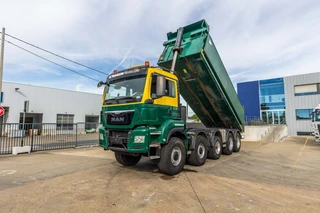
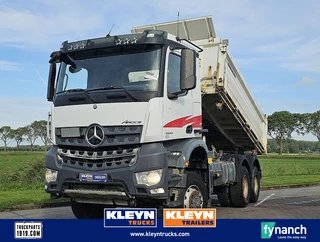
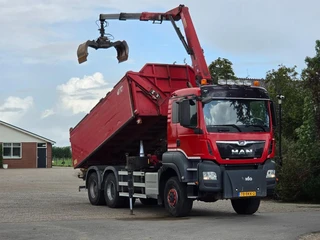
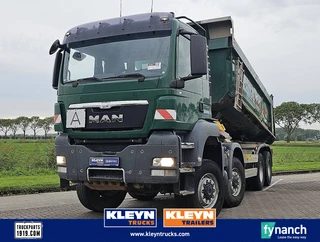
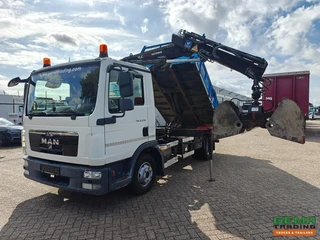
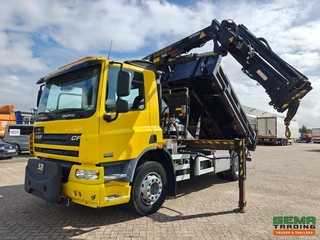
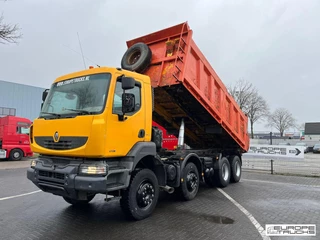
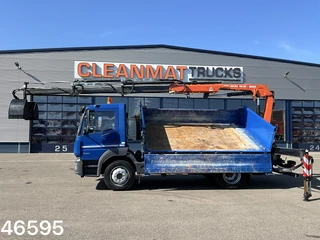
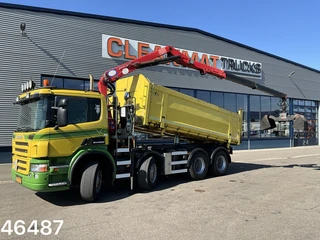
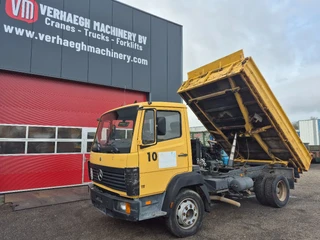
Buying a tipper: what should you pay attention to?
When choosing a tipper, the material, payload capacity, unloading location and ground conditions determine the appropriate chassis and body configuration. Earthmoving operations on a construction site require a different configuration than a tipper mainly transporting sand, grain or light bulk by road.
Therefore, compare payload capacity, axle configuration, tipping direction, body material and hydraulics as a complete unit. The unladen weight of the chassis and body determines the remaining payload within permitted weight limits.
Rear-tipper or three-way tipper
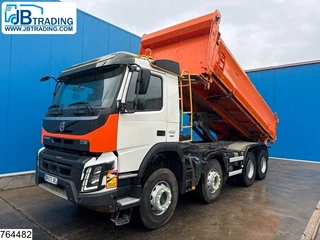
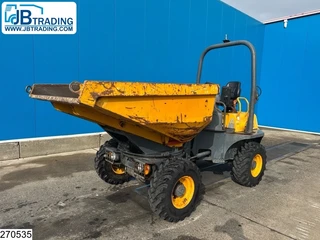
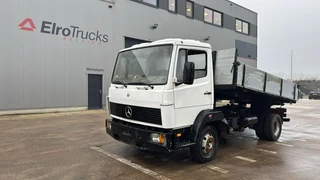
A rear-tipper is common for bulk transport and unloads directly behind the vehicle. Verify that the available space and ground conditions safely permit this. A three-way tipper can also unload to the left or right, offering greater flexibility on tight construction sites or alongside trenches.
Pay attention to the design of the tailgate and sideboards. A tailgate for sand and soil has different requirements than a grain chute, hydraulic tailgate or swing tailgate for demolition waste and large blocks. Also measure body length, wall height and volume in relation to the specific gravity of the typical cargo.
Steel or aluminium body
Steel is wear-resistant and suitable for stone, rubble and other hard or sharp materials. Check the floor and walls for thin spots, dents and weld repairs. A thicker or wear-resistant body is robust, but increases unladen weight.
Aluminium reduces tare weight and can therefore benefit net payload capacity. The material suits sand, grain and lighter bulk, but is more sensitive to point loading and damage. Cargo and loading methods must therefore match the body material.
Axle configuration and terrain
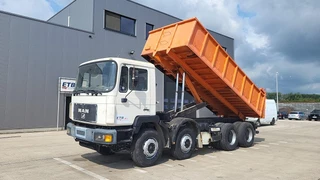
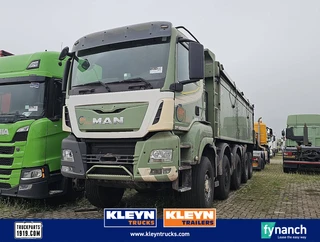
A lighter configuration is efficient when the tipper runs many miles on paved roads. For loose, steep or uneven terrain, multiple driven axles provide better traction. An 6x4 or 8x4 may also be better suited to a heavy body and high axle loads.
Additional axles and drive systems also add weight, tyres and maintenance requirements. Therefore, check the kerb weight, permitted gross and axle weights, and weight distribution under normal loading. For construction site use, also pay attention to ground clearance, tyre tread, differential locks and protection for tanks and lines.
Hydraulics and stability during tipping
Check the cylinder, pump, PTO, hoses, lines, hinge points and controls for leaks, play and damage. The body must move smoothly without jerking or lateral deviation. Only test the system on a flat, load-bearing surface with adequate clearance.
A high body shifts the centre of gravity significantly upward during tipping. Wear, unevenly distributed or frozen cargo, and a sloped surface increase the risk of instability. Therefore, also check the subframe, stops, body locking mechanisms and any stability features.
Inspecting a used tipper
Inspect the body, floor, sidewalls, tailgate and subframe for deformation, cracks, corrosion and previous repairs. Examine the chassis and suspension around mounting points; heavy-duty use can leave traces there that are barely visible when the vehicle is empty.
Additionally, check tyres, brakes, drivetrain and emission system, and test all locks and hydraulic functions. Ask what materials were previously transported and whether maintenance on the cylinder, pump or body has been demonstrably performed.
Comparing new and used tippers
On TruckTrader you can compare tippers by make, model, year of manufacture, axle configuration, body type and specification. Ask the seller for exact weights, body dimensions and details regarding hydraulics, maintenance and previous use.
For example, view Mercedes-Benz tipper, DAF tipper, MAN tipper, Volvo tipper, Scania tipper, Iveco tipper and Renault tipper and compare which combination of chassis and body suits your operations.
Looking for another construction or transport vehicle?
Also view Trucks for sale, Trailers for sale, Mixers for sale, Cranes for sale and Agricultural machines for sale.